Energy, Focus and ZZZZZZZZZZZZZZZZZZZZZZ

asleep at computerSleep is more important than food. Those of you who know me must be wondering if I have lost my mind. But I came to realize you could go a week without food and the most you would lose is weight. Try going 24 hours without sleep and you are unable to function effectively. The research is overwhelming that most of us need seven to eight hours of sleep nightly to feel rested, have more naturally sustained energy and focus better. An incredibly small number among us can survive on seven hours or less sleep.

You delude yourself if you think you can stay awake until all hours of the night, consistently get less than seven or eight hours of sleep, and be fully rested and functional.

Here is the challenge most of us who are sleep deprived have to face: We have no idea how dysfunctional we are until we start getting sufficient sleep and see the difference in our productivity, alertness, focus and energy.
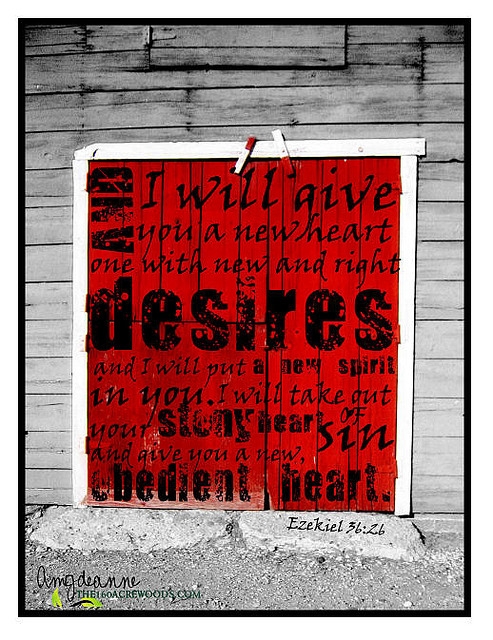
Are You Guarding You Heart?

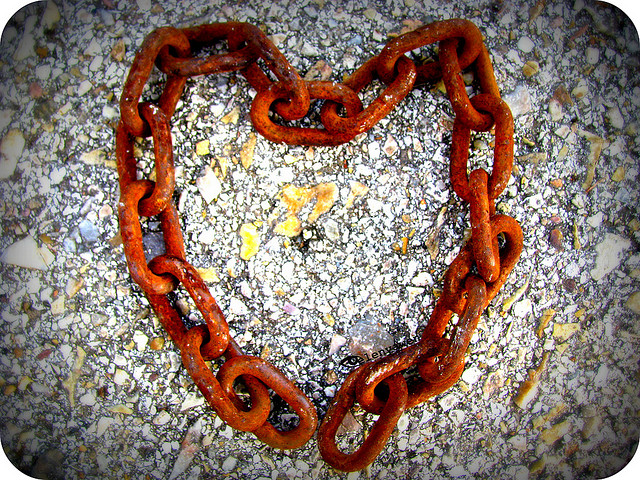
medium_3025803791In Mark 7:21-22, Jesus warns us of what comes from the heart; things such as evil thoughts, sexual immorality, theft, murder, adultery, greed, malice, deceit, lewdness, envy, slander, arrogance, and folly. You don’t have to work at these things; they come naturally to the human heart.

Take a child for instance; you don’t have to teach a child to be selfish, say ‘no’ or throw a tantrum. You do not have to teach the child to hit, scream or get in a fight with another child. Rather, you find parents trying to teach their children about being nice, caring, sharing and controlling their temper.

The reason for this natural bent toward the things Jesus mentioned in Mark 7:21-22 is because the human heart without God is evil and wicked. In Jeremiah 17:9-10, we are told, “The heart is

Desire and Control

EC blog 724Are Your Desires Controlling You? or Are You Controlling Your Desires?

Desires. We all have them. To have desires is to be human. We were created with the ability to have desires. Desires turned to dreams move us to achieve things in life.

A desire is a strong feeling of wanting to have something or wishing for something to happen. We have physical, emotional, spiritual and mental desires.  But not all desires are good for us; the fulfillment of some desires would negatively impact us and/or those around us. Imagine what would happen if you went through with the desire you felt when a driver cut you off, or when a person cut into line in front of you?

To have everything we desire would certainly lead to our demise. We literally could not handle getting everything we desire. Imagine for a moment that you actually did get everything you desired. Where would your life be today?

Becoming a Wounded Healer

Prayer manWhile in graduate school in the mid ‘80s I read Henri Nouwen’s book, The Wounded Healer. That book changed my life. At the time I was walking around with wounds I had experienced physically, emotionally, verbally, mentally, and spiritually. I was ashamed of these wounds and did not know what to do with them. After reading the book I began the journey of becoming a wounded healer.

In another book, Bread for Journey, Nouwen states:

Nobody escapes being wounded. We all are wounded people, whether physically, emotionally, mentally, or spiritually. The main question is not “How can we hide our wounds?” so we don’t have to be embarrassed, but “How can we put our woundedness in the service of others?” When our wounds cease to be a source of shame, and become a source of healing, we have become wounded healers.

We have all been wounded in some way. The question is, as Nouwen puts it, “not how can we hide

Don’t Look Now But Your Influence Is Showing

brush teethThere is a saying used by those giving advice on parenting: “More is caught than taught by children.” In other words, children learn more from what they see their parents do than from what their parents say.

The same saying applies to leaders. Some leaders command an audience by their eloquence and commanding presence. But these quickly lose hold when the talk does not match the walk. Leaders must tell people what is important and then live out their own words.

What are your followers learning about physical self-care?

  • Are they learning that physical care is as important as spiritual care? Are you modeling physical well-being by what you eat, how you rest, how much you exercise?
  • Do you stay home and take care of yourself when you are sick?
  • Do you get an annual physical and heed your doctor’s advice or warning?

The Best You Can Be to Others

help othersWhat’s Your Motivation Part 3

Seeing the best in others and treating them with respect and dignity regardlesPreview Changess of their color, race, gender, or socioeconomic status begins with how you view yourself.

If you think yourself superior to others then that is exactly how you will treat them. However, if you think everyone is better than you, then you will interact with them accordingly.

On the other hand if you begin with the understanding that you are fearfully and wonderfully made by God and unconditionally loved by Him, then you will view others in the same way.

Being the best you can be to others begins from within as a reflection of your beliefs and values.

Value others. Being the best to others starts with acknowledging their value. This value can be based solely on the fact that they, like you, are fearfully and wonderfully made by God. Accepting this is what leads you to be kind and loving to others, because you see in them the same value you see in yourself.

Be the Best You that You Can Be

Starfish believeWhat’s Your Motivation, Part 2

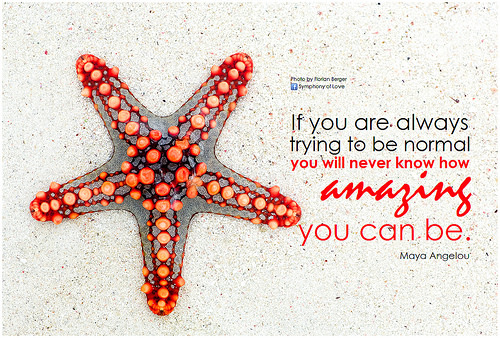
Someone once said, “Be yourself; everyone else is taken.” In a world driven by image, we easily can fall into the trap of trying to fit in or be liked. In doing so, we may become someone we are not.

I recall trying to create an image to get a girl’s attention. A mutual friend invited both of us to go to the beach. I thought this was my opportunity to impress. I will never forget how they made fun of me that day because in my attempt to project a different image, I was way over-dressed for the occasion.

You are never your best you when trying to fit in, be liked, or impress. Let me suggest two things to help you be the best you can be.

What’s Your Motivation?

Motivation_Shark-swimmer

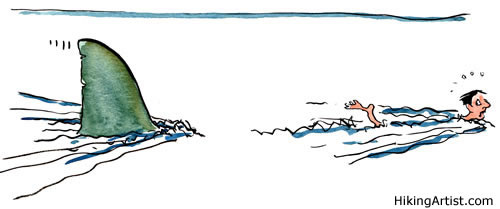
Remember those Capital One commercials that end with, “What’s in your wallet?” I’m not planning to ask you that question, but how about this one: “What’s in your heart?” In other words, what motivates you to make the choices you make and do the things you do?

 Whether or not you are aware of it, or whether or not you chose to acknowledge it, something motivates every choice you make. You are motivated to observe the speed limit when you see a police cruiser parked off to the side of the road and an officer with a speed gun trained on you.

 On vacation one summer I was jogging when I came upon a snake. You have to understand: I have phobia for snakes. I saw the snake from a distance but I couldn’t tell if it was just lying there, dead, or crossing the path. All I remember was turning around and running as fast as I could. You see, because of my fear and phobia of snakes, I was motivated to run as fast as I could and not stop until I returned to my hotel room.

Is Anger Free Floating in Your Life?

Anger is an emotion that is all too familiar. But it’s just that: an emotion. Yet, too many of us allow anger to take control of a moment, or of our lives. There is no such thing as life without anger, for God created us with a capacity for it.
We know that Jesus got angry when he saw the money changers using the Temple courtyard as a place to buy and sell, instead of a place of prayer as it was meant to be. He showed his anger by turning over the tables and clearing out the money changers (Matt.21:12-13).  Paul tells us in Eph. 4:26 that we should not let anger control us, nor let the sun go down on our anger. 

If anger is something we were made to experience, why have we allowed it to wreck such havoc in our lives? When left unchecked, it leads to all sorts of destructive behaviors: lying, cheating, hurting the ones we love by mistreating them, and in the most extreme case, committing murder.


So You Think You Can Dance?

5 Steps to Help You Rediscover Passion for Life and Leadership Step 5
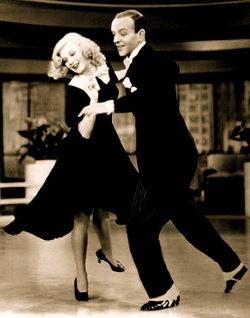
Emotional intelligence (EQ) has much to do with relating well to others, being able to “read” and respond appropriately to them. In that, EQ is a lot like dancing. dance duoWhen dancing, if you are out of sync with your partner the dance neither looks good nor ends well. Being in sync with your dance partner is largely about awareness: what is the next move, how do you respond, what’s the appropriate next step? In the same way, when you interact with others, if you lack the ability to detect the emotions of others – especially family, friends, and colleagues – those interactions usually neither look good nor end well. Last week we looked at the aspects of EQ that pertain to becoming aware of and managing your emotions. This week let’s look at the aspects of EQ that relate to social awareness of others’ feelings, then using that awareness to manage those relationships in healthy, meaningful, and productive ways. Daniel Goleman provides a model that refers to two moves in the dance of relating to others: social awareness and social skill.

  1. Social Awareness is the ability to sense what others are feeling, understand situations from the perspective of others, and cultivate relationships with a diverse range of people.

When is a conversation most frustrating to you? Is it not when you are sharing something