
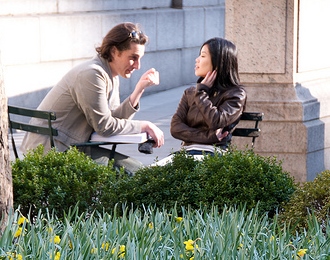
 To be human is to be in relationship. We cannot survive without it. Whether you are a parent, neighbor, friend, spouse or a leader, you depend on healthy relationships to get along with others. The foundation on which all relationships are built is good communication. When communication is good, relationships are healthy; when communication is poor, relationships are poor as well. Regardless of whom you are relating to, good communication is the key to building and maintaining a healthy relationship.

Errol Carrim
Busyness: Control–or be Controlled
by
 Last November I wrote a two-part blog on busyness. The subject is again on my radar because the most popular response I get when I ask people how they are doing is, “I’m busy.”
Recently, I told a friend who gave me that very answer: “I hope you are controlling your busyness rather than being controlled by your busyness.”
The person was surprised by my comment, as if they had not thought about whether they were in control of their busyness or if it was controlling them. As I thought about my answer and the person’s response, I began wondering about how many of us are being controlled by our busyness rather than controlling it. I wonder if many of us have even realized that we can control our busyness.
Let me suggest a couple things that can lead to your busyness controlling you.
When Life Gets Too Busy, Meaningful Relationships Die
by
 We live in a fast-paced culture in the United States. We are constantly busy going places in person or online, without enough time to do all we desire.
These days, I see a lot of families eating out due to their busy schedules. It also seems to be the norm for everyone to have their heads buried in their electronic devices while they wait on their food. There is more conversation with the server than among family members.
This fast-paced life has contributed to the demise of meaningful relationships in our lives. We either do not know how to connect in a meaningful way, or are not willing to take the time to do so, because the process is too slow. Instead we Facebook, tweet, Instagram, snapchat, WeChat, WhatsApp and Pinterest our relationships. Some of us will more quickly answer a text than return a phone call because it is too time consuming. And sadder still – many of us wear that sentiment as a badge of honor.
Don’t Lose Your Way
by
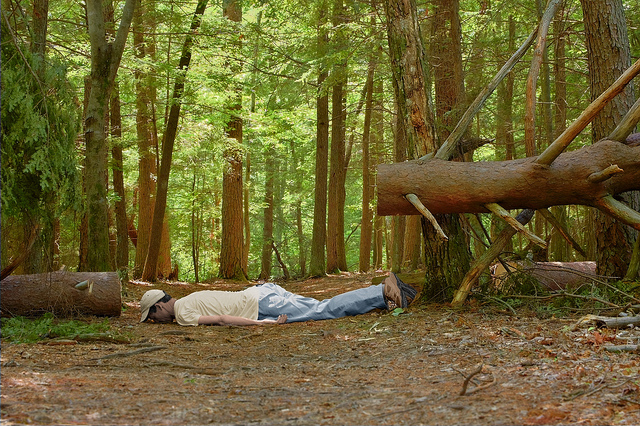 Reality check: Some leaders will lose their way. As a result, their leadership will either be badly damaged or completely destroyed. For some, much hard work will be required to restore their role as a leader; others may never be given another opportunity to lead.
So the question arises: Are there steps that you as a leader can take that will keep you from losing your way?
Providing Helpful, Negative Feedback
by
 Providing negative feedback may be beneficial or harmful depending on how and by whom it is given. Most of us do not enjoy giving or receiving negative feedback. Yet without the benefit of negative feedback we usually fall way short of realizing our fullest potential.
As objective as we think we are, and as honest with ourselves as we try to be, still we are unable to become our best unless we are able to effectively give and receive helpful, negative feedback.
We all have been around people, family, friends, work colleagues or the person in line at the grocery store who needed some helpful, negative feedback, but we weren’t sure how to go about giving it.
Last week we looked at some of the reasons we fail to give negative feedback. Now let’s look at how we might go about giving negative feedback in a helpful way.
The Job That No One Wants
by
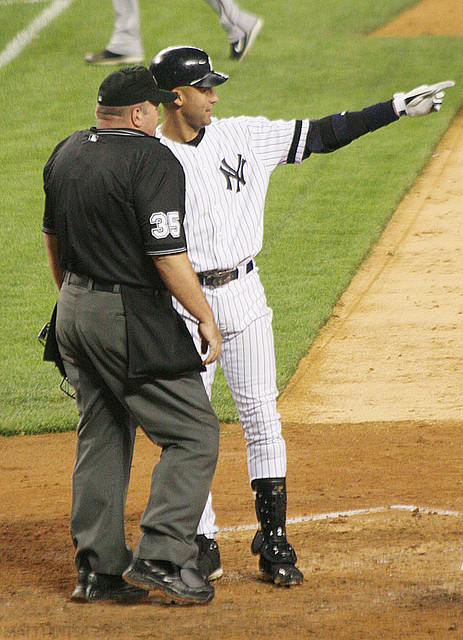 We all like to give and receive positive feedback. But negative feedback? Now that is another issue. Most of us neither like giving nor receiving it. And for us to improve and become the best we can be, we need to give and receive negative feedback.
Why is something so necessary to our well-being sometimes so difficult?
For one thing, if you are insecure in who you are and have low self-esteem, you are less likely to give negative feedback to others because of your need to be liked. Parents fail to give negative feedback to their children because of the fear that their children will not like them. Co-workers and friends do the same.
Becoming a Resilient Leader – Part 2
by
 Last week in part one, I looked at three areas a leader should focus on in becoming a resilient leader: what is your passion, what are you good at, and self-acceptance.
This week I want to highlight four more areas. As noted last week, these suggestions are by no means exhaustive.
Know your values. Resilient leaders know their values. Values are derived from your beliefs and convictions. You must decide what is most important in your life. Is it family, maintaining your integrity, helping others, making a difference or honoring God with all that you are?
How to Become a Resilient Leader – Part 1
by
 Leadership can be a very lonely job. Often people rise to the role of leadership and find themselves isolated and struggling with loneliness – and those around them don’t even realize it. This sense of isolation makes leaders vulnerable and sometimes less resilient.
Many good and talented leaders have lost their way and found themselves out of leadership because they were not resilient, so when the pressure came (which comes to all leaders), they were unable to survive. They ended up compromising their core values or were not strong enough to influence those they were leading to follow them.
In the next two weeks, I want to suggest some steps you can take in the pursuit of becoming a resilient leader. The following suggestions are by no means exhaustive.
Your Emotions Need Tending Too
by
 Last week we talked about “physical self-care” and the importance of caring for the temple of God – your body. This week, I would like to focus your attention on your “emotional self-care.”
Emotions are a fundamental part of being human. Anger. Jealousy. Joy. Sadness. Grief. Contentment. Love. All of these help you respond and interact with life and living. They impact how you think and behave.
To understand and appreciate the importance of emotional self-care, you need to think about what life is like when you neglect your emotional health.
Emotional self-neglect will often result in you being held captive by your emotions.
Don’t Neglect the Temple of God – Your Body!
by
 We all need reminders from time to time. Today’s blog is one of those reminders in an area in which we are prone to become careless and often forget to do the right thing.
Always tired, heartburn, falls asleep easily, overweight, constant aches and pains, lack of concentration, have trouble reading, short tempered, easily angered, takes everything personally, etc. – you get the picture? These all could be as a result of self-neglect.
Leaders are notorious for self-neglect. Self-neglect has a major impact on our effectiveness as leaders. More importantly, you want to be a role model to those you lead as one who cares for yourself so you can give your best.
Here are some suggestions to help you take better care of yourself.