Anger is an emotion that is all too familiar. But it’s just that: an emotion. Yet, too many of us allow anger to take control of a mom ent, or of our lives. There is no such thing as life without anger, for God created us with a capacity for it.
We know that Jesus got angry when he saw the money changers using the Temple courtyard as a place to buy and sell, instead of a place of prayer as it was meant to be. He showed his anger by turning over the tables and clearing out the money changers (Matt.21:12-13). Paul tells us in Eph. 4:26 that we should not let anger control us, nor let the sun go down on our anger.
If anger is something we were made to experience, why have we allowed it to wreck such havoc in our lives? When left unchecked, it leads to all sorts of destructive behaviors: lying, cheating, hurting the ones we love by mistreating them, and in the most extreme case, committing murder.
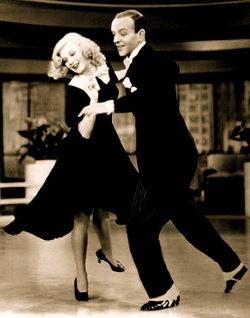 When dancing, if you are out of sync with your partner the dance neither looks good nor ends well. Being in sync with your dance partner is largely about awareness: what is the next move, how do you respond, what’s the appropriate next step? In the same way, when you interact with others, if you lack the ability to detect the emotions of others – especially family, friends, and colleagues – those interactions usually neither look good nor end well. Last week we looked at the aspects of EQ that pertain to becoming aware of and managing your emotions. This week let’s look at the aspects of EQ that relate to social awareness of others’ feelings, then using that awareness to manage those relationships in healthy, meaningful, and productive ways. Daniel Goleman provides a model that refers to two moves in the dance of relating to others: social awareness and social skill.